Klemen Gradisar
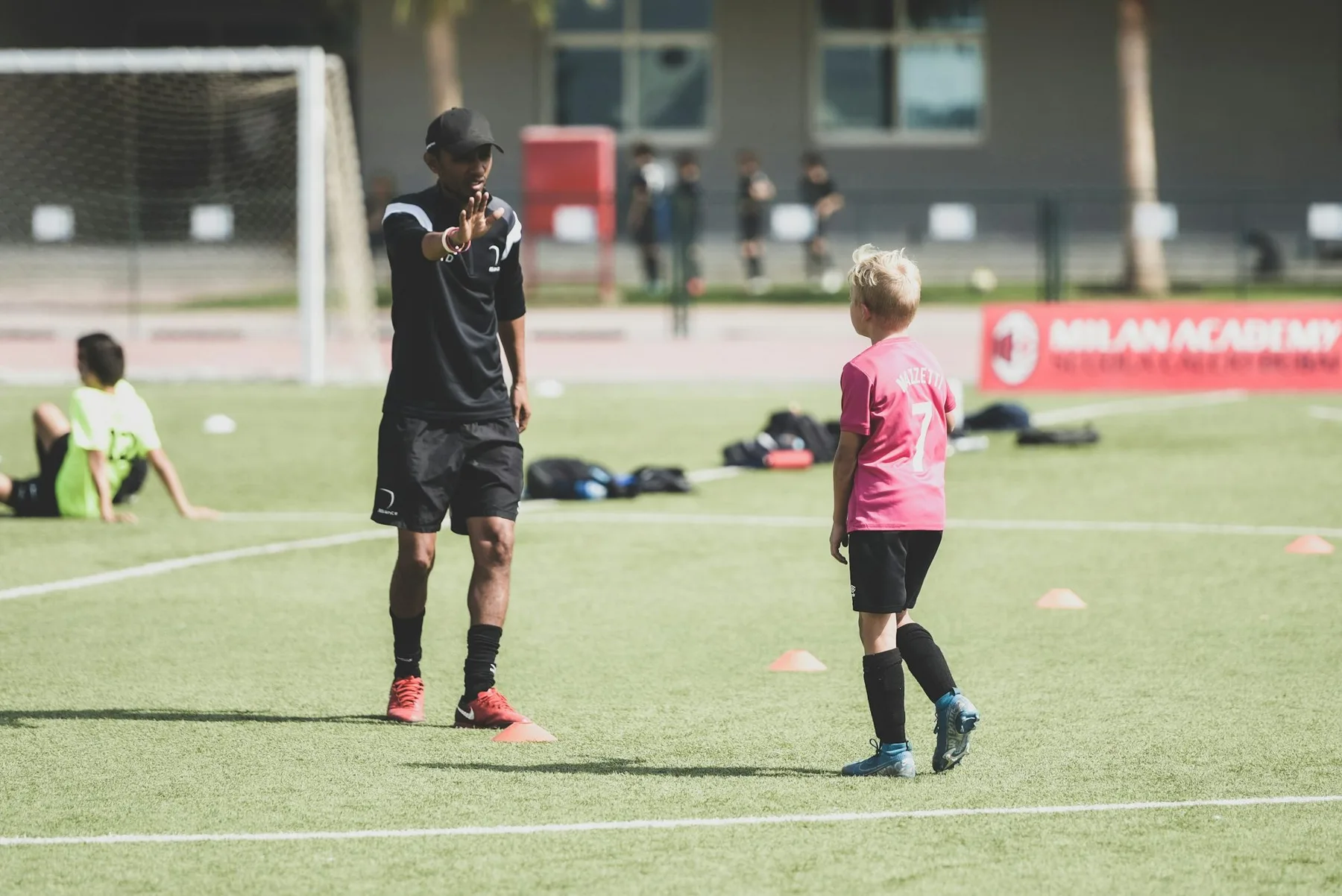
A coach explains a cone drill to a young player, Dubai, 2020
A coach explains a cone drill to a young player, Dubai, 2020.Photo: Alliance Football Club, Unsplash License

Who we are and how we play

What are the principles of our game, in each moment?

After today you can describe how your teams play in each of the four moments of the game, and write it down as principles. That page is the core of your Academy Blueprint, and everything on Day 2 and Day 3 is checked against it.

Day 1, Tuesday 15 December 2026
Live online session, about two hours, with Arabic interpretation

Stories

Two clubs, two methodologies

Principle. Principles come before tactics

From Klemen's years in Saudi Arabia.
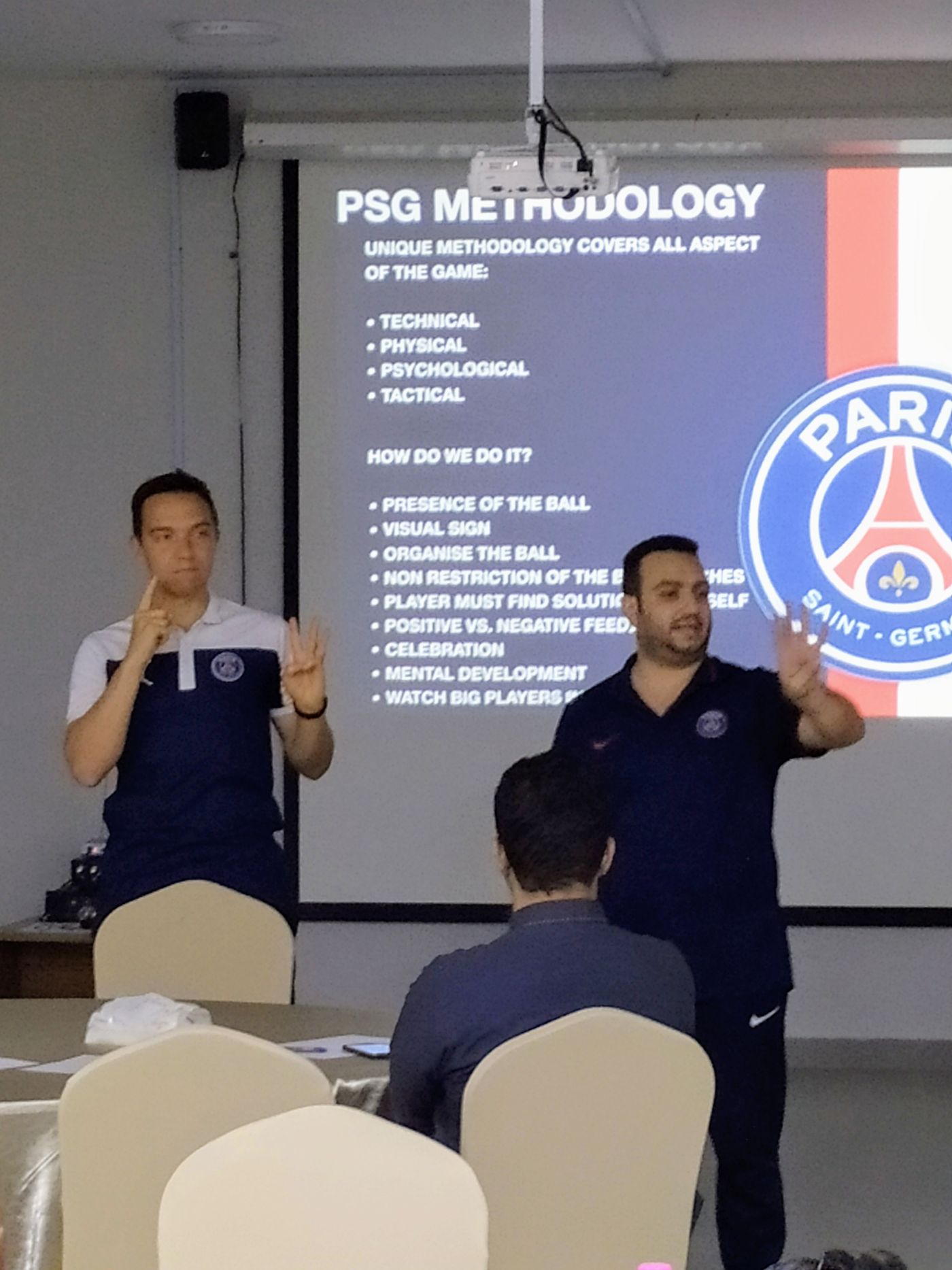
Klemen Gradisar presenting the PSG methodology to coaches
  • In 2018 Klemen was technical director of PSG Academy in Jeddah.
  • In 2019 and 2020 he was CEO of Inter Academy KSA, and spent most of his days on the pitch with the players. COVID stopped all activity in 2020.
  • Each club gave its academy a methodology to follow. Inter built everything from the back. PSG worked in four phases, as its methodology stood in 2018.
  • Inside each club method, the staff built their own style of play.

Lesson. The club decides the principles. The coach decides how his team brings them to life. Without written principles every new coach starts the academy again.

Discussion. If a new coach joined your academy tomorrow, which page would tell him how your teams play?

Klemen Gradisar at Inter

Michel Sablon took the league tables down

Principle. The club measures what its model values

Belgium went out in the group stage at the 1998 World Cup and again at Euro 2000. Michel Sablon became technical director in 2001 and had 1,500 youth matches filmed. Children at under-8 and under-9 touched the ball twice in half an hour. His plan of 2006 put every youth team in 4-3-3 and the children in 2v2, 5v5 and 8v8. At one club, with 300 people waiting, he refused to start until the under-7 and under-8 league tables came off the wall.

Lesson. A model only becomes real when the club changes what it measures. Keep the league tables and coaches will keep picking for results.

Discussion. What does your club measure at under-10 today, and what would you take off the wall?

Sources. The Guardian, 6 June 2014; BBC Sport, 16 June 2014

Rankings is the wrong way. Make the development of your players the first objective.

Michel Sablon

70%of training time with the ball rolling, one of the coaching rules in the England DNA

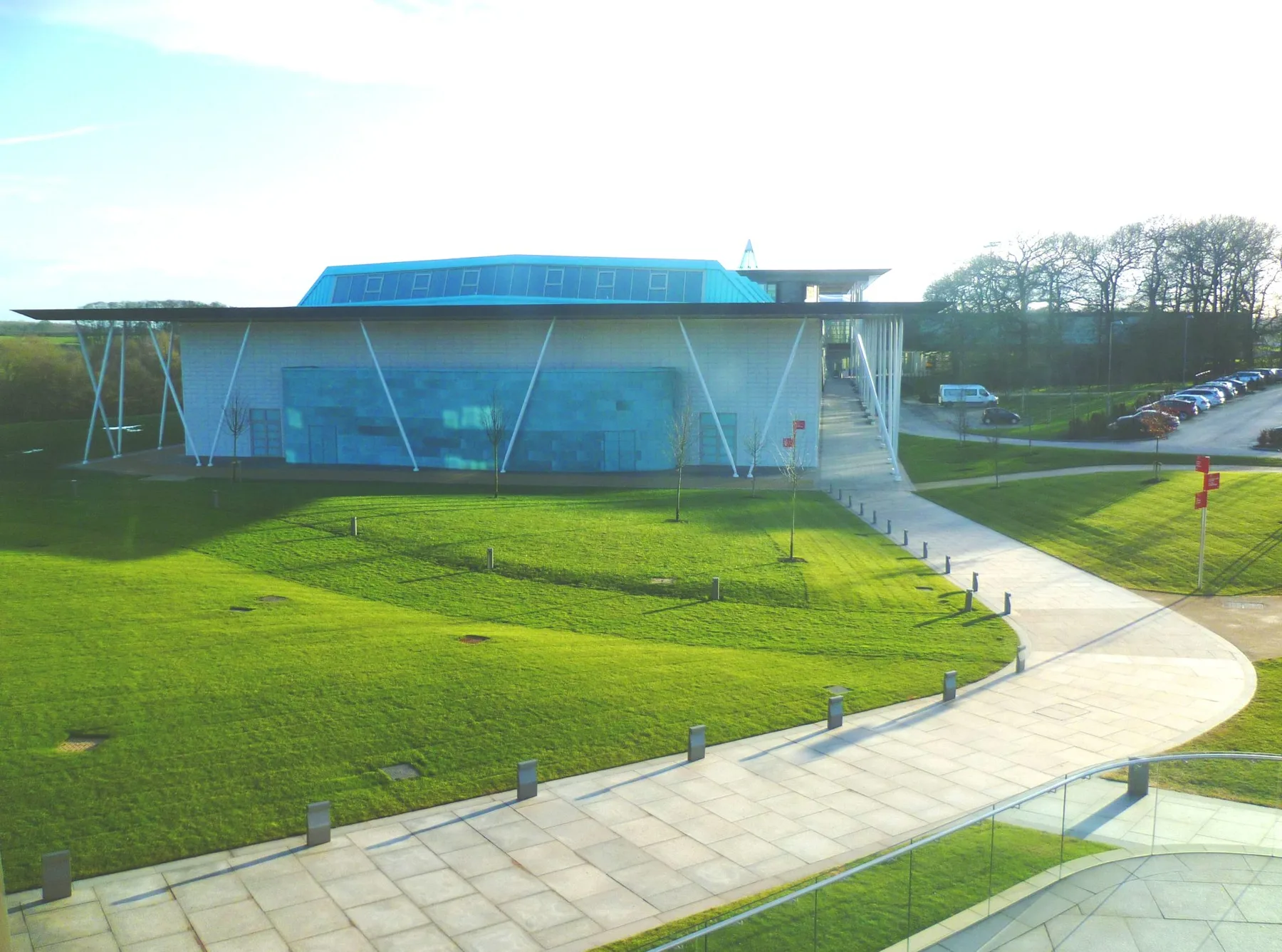
The Football Centre at St George's Park, the FA's national football centre in Burton upon Trent, 2013
The Football Centre at St George's Park, the FA's national football centre in Burton upon Trent, 2013.Photo: Anthony Parkes, CC BY-SA 2.0, Wikimedia Commons

England DNA wrote down how to coach

Principle. The model says how we coach as well as how we play

On 4 December 2014 at St George's Park, Dan Ashworth, Gareth Southgate and Matt Crocker presented the England DNA to 1,500 coaches. It covered every England team from under-15 upwards. Teams would dominate possession intelligently and win the ball back early. The coaching rules were exact. Use games whenever possible, plan, deliver and review every session, and keep the ball rolling 70 per cent of the time. In 2017 England won both the U-20 and the U-17 World Cup. FIFA noted that only Brazil, in 2003, had done that in the same year.

Lesson. Principles for each moment of the game, plus rules for the training session. A rule like 70 per cent ball-rolling time is what turns a philosophy into Tuesday's practice.

Discussion. If you wrote your club's model on one page, which coaching rule would sit next to the principles?

Sources. The FA, 4 December 2014; FIFA, 23 December 2017

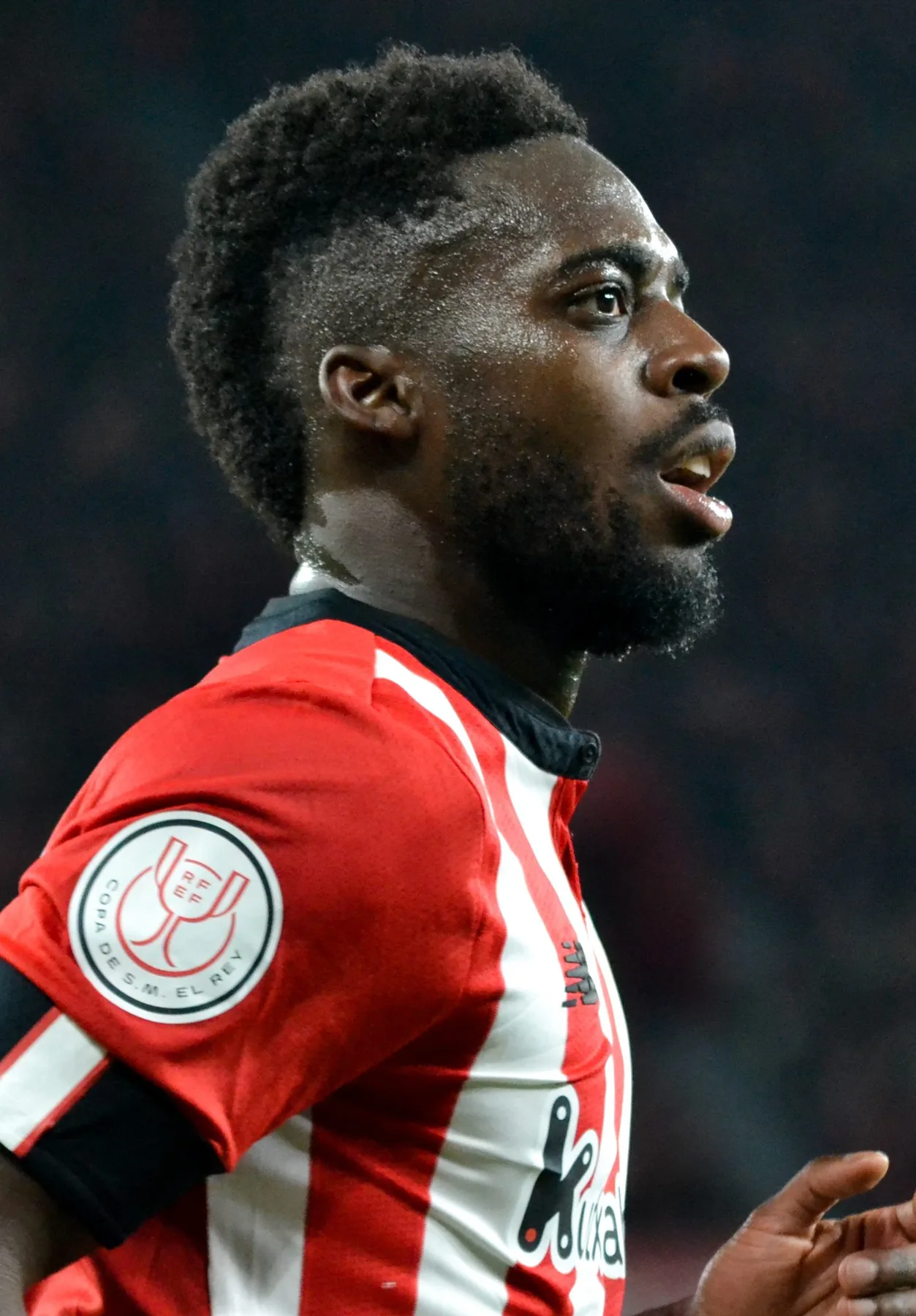
Iñaki Williams for Athletic Club against Osasuna at San Mamés, Copa del Rey semi-final, 2023
Iñaki Williams for Athletic Club against Osasuna at San Mamés, Copa del Rey semi-final, 2023.Photo: Maider Goikoetxea Hidalgo, CC BY-SA 2.0, Wikimedia Commons

The first song you learn is the Athletic song.

Mikel Gonzalez, sporting director

Athletic Club and the Williams brothers

Principle. Identity decides where you look for players

Athletic Club fields only players born in the Basque Country or formed in a Basque academy. To make that rule work, the club works with more than 160 partner clubs, and every boy who plays at under-11 level in the area trains at Lezama at least once a season. Inaki Williams was born in Bilbao after his parents left Ghana. He joined the youth set-up at 18, made his senior debut in December 2014 and went on to play 251 La Liga games in a row. His brother Nico joined the academy at 12. By 2024 they played side by side in a cup final.

Lesson. A strong identity tells you where to look. When you cannot buy talent, your scouting network and your community become your transfer market.

Discussion. If your club could only use players from your own region, what would you have to build tomorrow?

Sources. Athletic Club, philosophy; BBC Sport, 5 April 2024

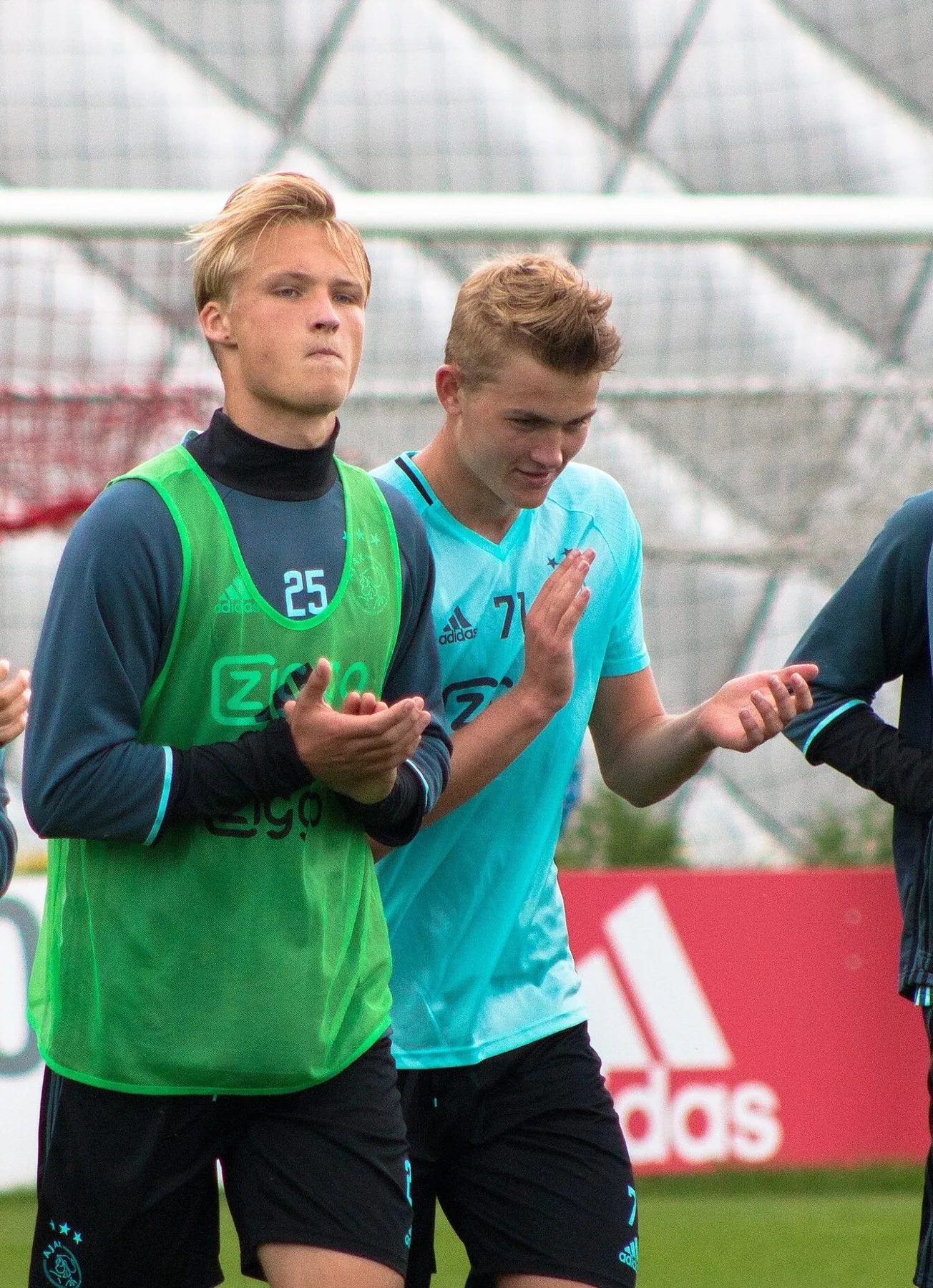
Matthijs de Ligt at 16 (no. 71, on the right, next to Kasper Dolberg) at an Ajax open training session, 2016
Matthijs de Ligt at 16 (no. 71, on the right, next to Kasper Dolberg) at an Ajax open training session, 2016.Photo: Femke Kruize, CC BY-SA 2.0, Wikimedia Commons

Matthijs de Ligt and Plan Cruyff

Principle. The model shapes each player's plan

In 2012 Wim Jonk and Ruben Jongkind were rebuilding the Ajax academy under Plan Cruyff. Matthijs de Ligt had joined Ajax at nine. At under-15 he was already big and strong, but slow to make decisions.

Your call. You coach him at under-15. He is big and strong for his age, but slow to decide. What do you change for next season?Answer in the chat during the session.

What happenedHide

So the coaches moved him into defensive midfield and played him several age groups up. He became Ajax's youngest captain at 19, and in 2019 his goal knocked Juventus out of the Champions League quarter-finals.

If you are the best in your own age, they move you to a higher group.

Matthijs de Ligt

Lesson. The model decides what a player still lacks. Ajax trained De Ligt on his weakness, in the position and the age group that exposed it.

Discussion. Which of your best players is picked for his strength when he should be trained on his weakness?

Sources. BBC Sport, 2 June 2021; CNN, 12 February 2019

Guardiola and Barca B

Principle. One model from the second team to the first

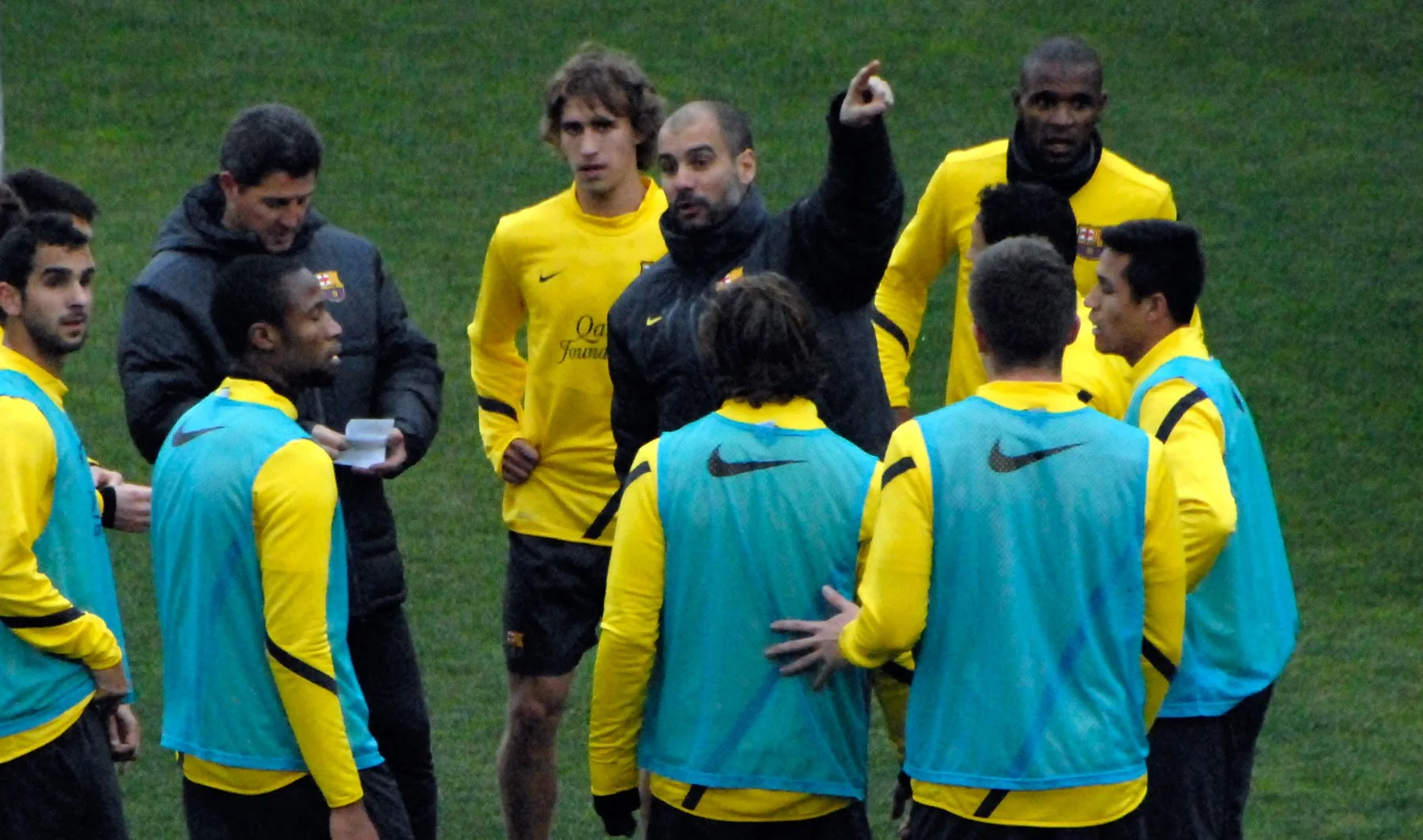
Pep Guardiola instructing Barcelona's first team at an open training session at the Mini Estadi, January 2012
Pep Guardiola instructing Barcelona's first team at an open training session at the Mini Estadi, January 2012.Photo: Xavier Rondón Medina, CC BY-SA 2.0, Wikimedia Commons

In 2007/08 Pep Guardiola coached Barcelona's B team in Spain's fourth division, with Sergio Busquets and Pedro as key players. The team won promotion. On 8 May 2008 the club named Guardiola, 37, first-team coach. On 13 September 2008 he started Busquets against Racing Santander. Few people knew his name. Busquets played 41 games that season and Barcelona won La Liga, the Copa del Rey and the Champions League.

… the continuity of the footballing vision which has brought us success

Joan Laporta, club president, on the choice of Guardiola

Lesson. When the B team plays the first team's model, a coach and his players can step up together without learning the game again.

Discussion. Could your under-19 team play a first-team match tomorrow without changing how it plays?

Sources. UEFA.com, 8 May 2008; FC Barcelona, 10 May 2023

Clips

Xavi on his playing style at Al SaddCoaches' VoiceA world-class coach explains in his own words the model he built at a Gulf club. Watch for the principles he names before any formation.

More to watch

How football actually worksTifo FootballThe clearest short definition of a game model, its moments and its principles.
How Belgium became the best in the worldFootball Made SimpleThe Belgian background to the Sablon story above, from coach education to formats by age.
It's about identity, Athletic Club's player policyBBC SportHow Athletic Club's identity decides where the club looks for players.

Homework

The core page of your Academy Blueprint

Work on it alone, or together with colleagues from your club. Fill in the templates on this site, or print the PDFs.

A short reflection to close Day 1.

Which principle would you keep at every age, from under-9 to the first team?

Tomorrow, Wednesday 16 December 2026

Day 2. From the model to training, age by age

What does each principle look like at under-9, under-13, under-16 and under-19?

Open Day 2