Klemen Gradisar
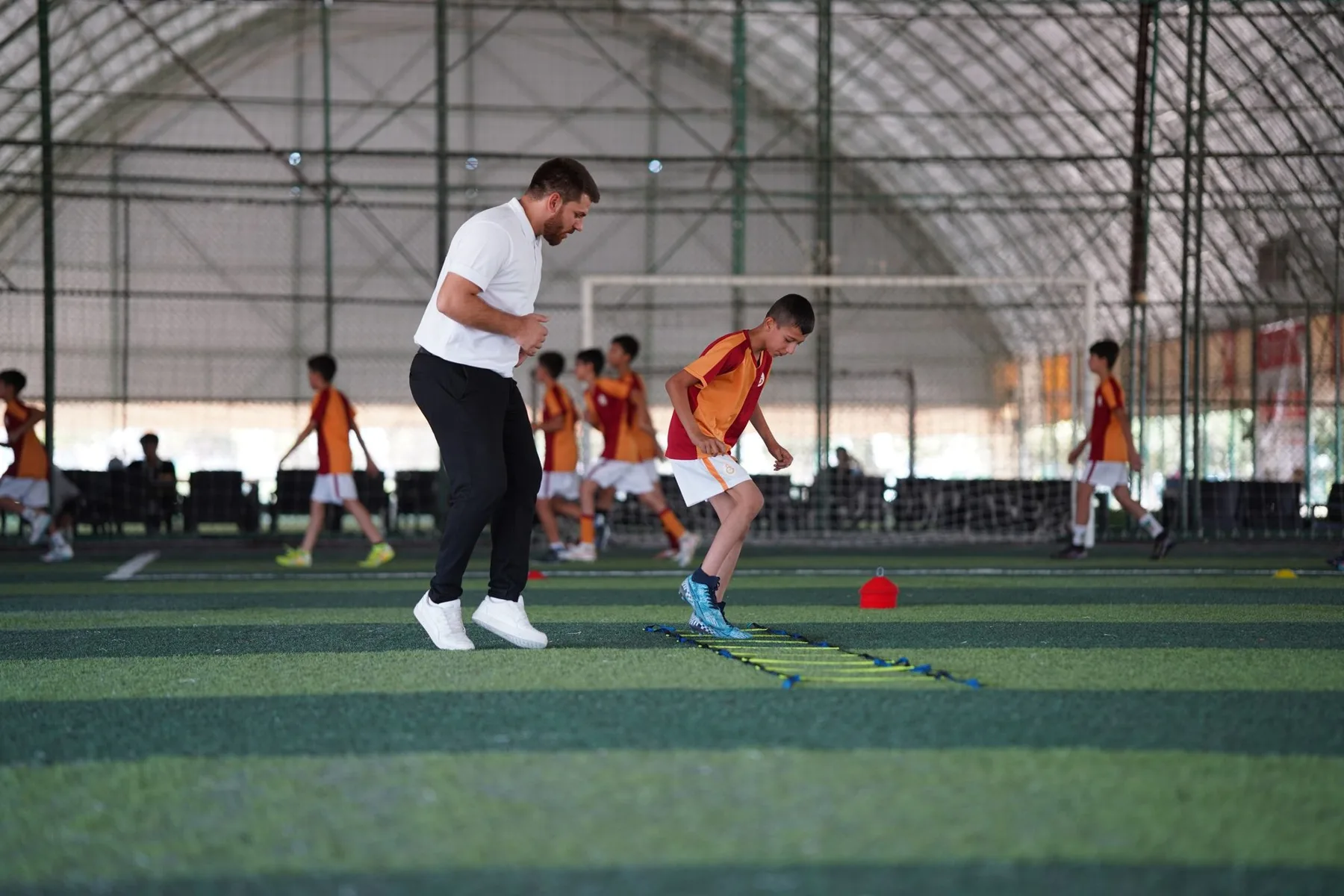
A ladder footwork drill at an indoor youth session in Türkiye
A ladder footwork drill at an indoor youth session in Türkiye.Photo: SERHAT TUĞ, Pexels License

From the model to training, age by age

What does each principle look like at under-9, under-13, under-16 and under-19?

After today you can follow one principle from under-9 to under-19, and plan a training week in which every practice names the principle it trains. If an exercise cannot point to a principle on your core page, it waits.

Day 2, Wednesday 16 December 2026
Live online session, about two hours, with Arabic interpretation

Stories

Kris Van der Haegen and the angry fathers

Principle. The format fits the age, the principle stays

Belgium had already broken 11v11 down into 8v8 and 5v5. In 2014 it went smaller and brought in 2v2 at under-6 and under-7. Kris Van der Haegen presented the change to parents. Some told him the federation was crazy, because football is a team sport.

Your call. You are in that room with the parents. What do you say to them?Answer in the chat during the session.

What happenedHide

His reasoning was that five and six year olds are ready to dribble and score, but cannot yet decide when and to whom to pass. A few months later one of those fathers sent him a text.

Kris, now I understand the change, my son scored 4 goals today. Last year he didn't score one in the whole season.

A father, in a text to Van der Haegen

Lesson. Match the format to the child, then ask what your principle looks like inside it. At under-7, fewer players means more touches, more dribbles and more goals.

Discussion. In a match, do your under-7 players mostly dribble, wait or watch?

Sources. ICOACHKIDS, Kris Van der Haegen, 5 April 2023; The Guardian, 6 June 2014
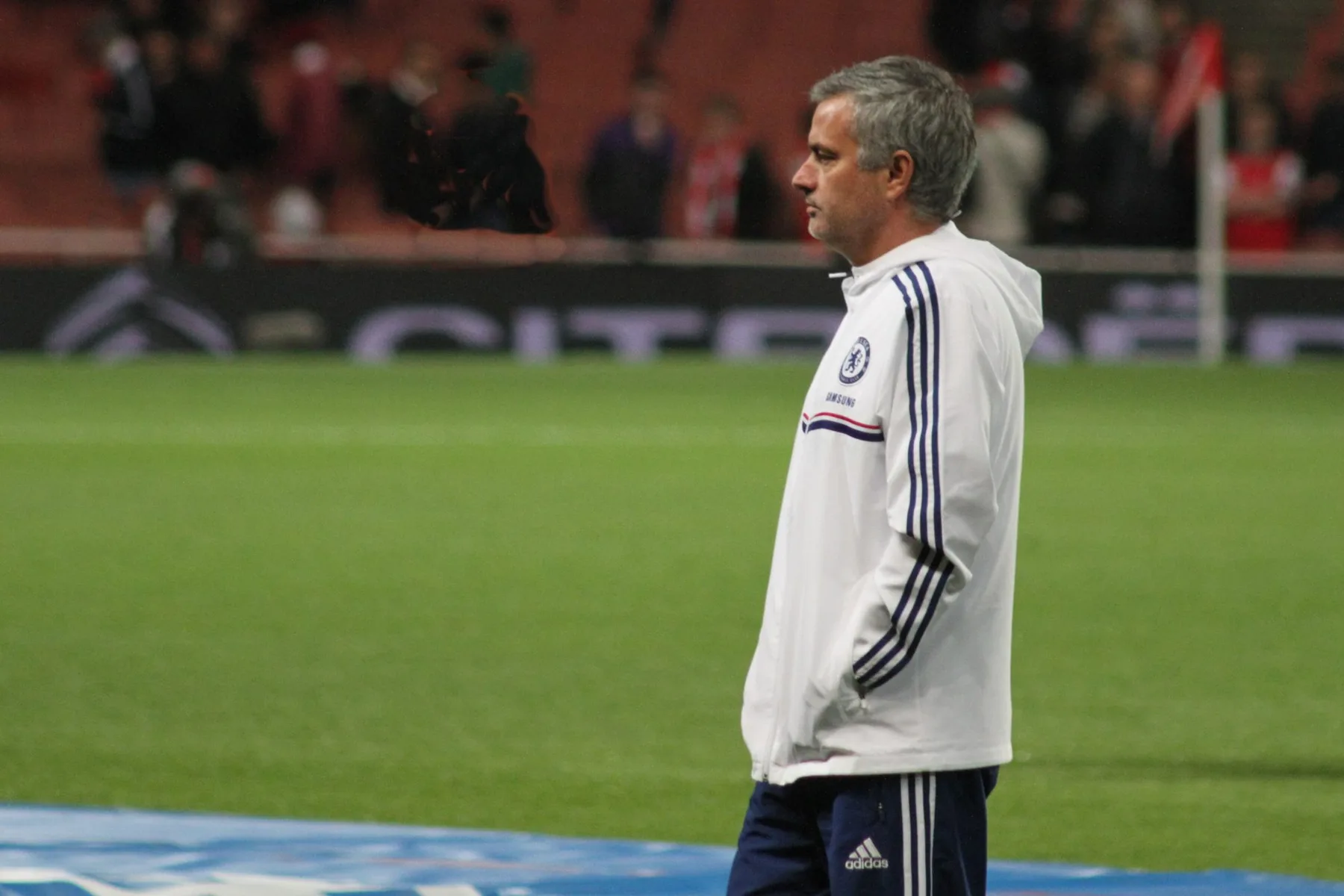
José Mourinho as Chelsea manager at the Emirates Stadium, 2013
José Mourinho as Chelsea manager at the Emirates Stadium, 2013.Photo: Ronnie Macdonald from Chelmsford, United Kingdom, CC BY 2.0, Wikimedia Commons

He told us that you never see a pianist running around a piano, you see a pianist work on the piano.

John Terry

Mourinho, Vitor Frade and the pianist

Principle. Every exercise comes from the model

Vitor Frade taught at the University of Porto and is the father of tactical periodisation. The tactical model leads, and physical, technical and mental work happen inside game-like exercises. Jose Mourinho was the first world-famous coach to use it openly. When he arrived at Chelsea in 2004, his players were used to pre-seasons of running without a ball. John Terry remembered the image Mourinho gave them.

Lesson. Every exercise should trace back to a principle of your model. The fitness work still gets done, inside football.

Discussion. Which exercise in your week has no link to how your team plays, and what would replace it?

Sources. Sky Sports, 18 July 2019

Arrigo Sacchi's match without a ball

Principle. Train the team's shape on its own, then add the ball

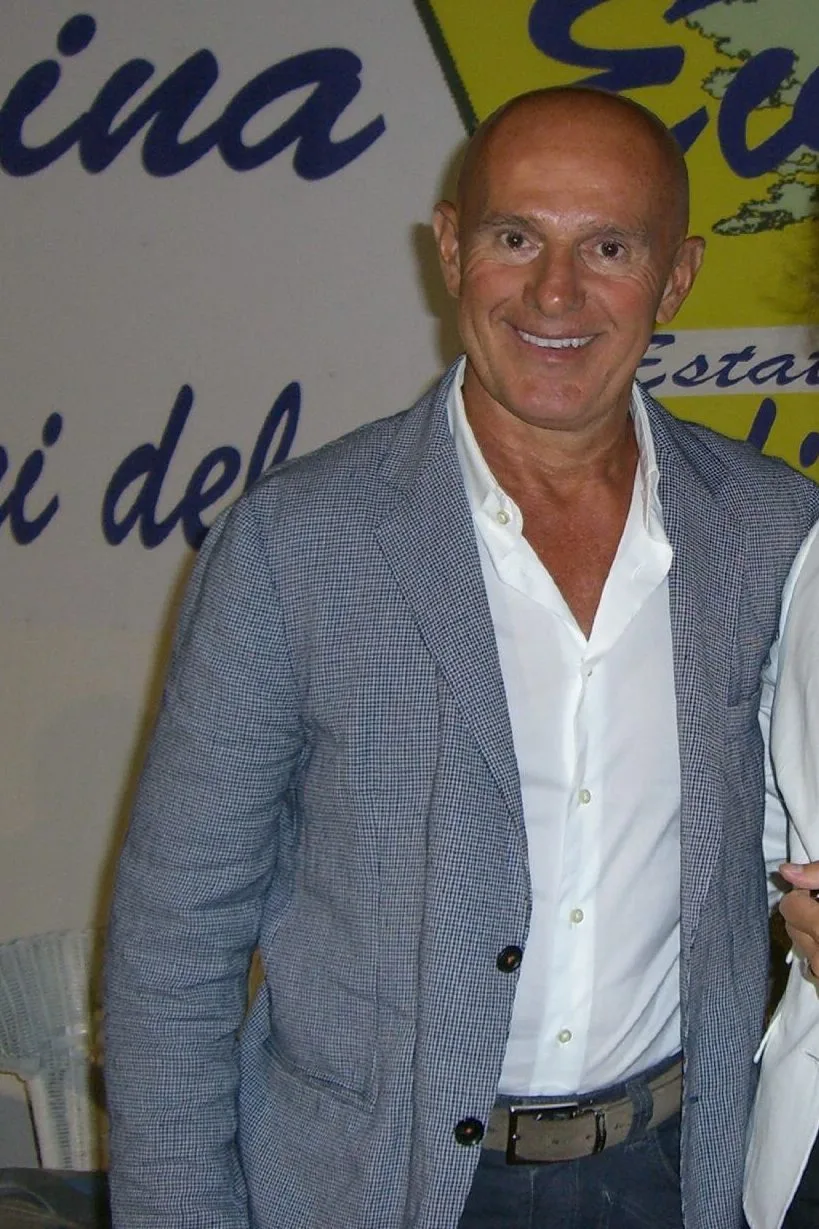
Arrigo Sacchi in Viareggio, 2007
Arrigo Sacchi in Viareggio, 2007.Photo: Elena Torre, CC BY-SA 2.0, Wikimedia Commons

Arrigo Sacchi was an amateur defender who worked in his father's shoe factory. He won a national youth title with Cesena in 1982, and Silvio Berlusconi hired him at Milan in July 1987. Milan won back-to-back European Cups. Sacchi wanted 11 active players in every moment of the game. One of his tools was a full match without a ball. He told the players where an imaginary ball was, and they moved into position. Critics said he could not coach a big club because he had never played at the top.

I never realised that to be a jockey you had to be a horse first.

Arrigo Sacchi

Lesson. Take the ball away and you can train the team's shape and pressing triggers on their own. Then put the ball back.

Discussion. Which principle of your team could you train without a ball for ten minutes?

Sources. UEFA.com, 23 August 2022

Futsal, where top players learned to think fast

Principle. Small space and a fast ball force fast decisions

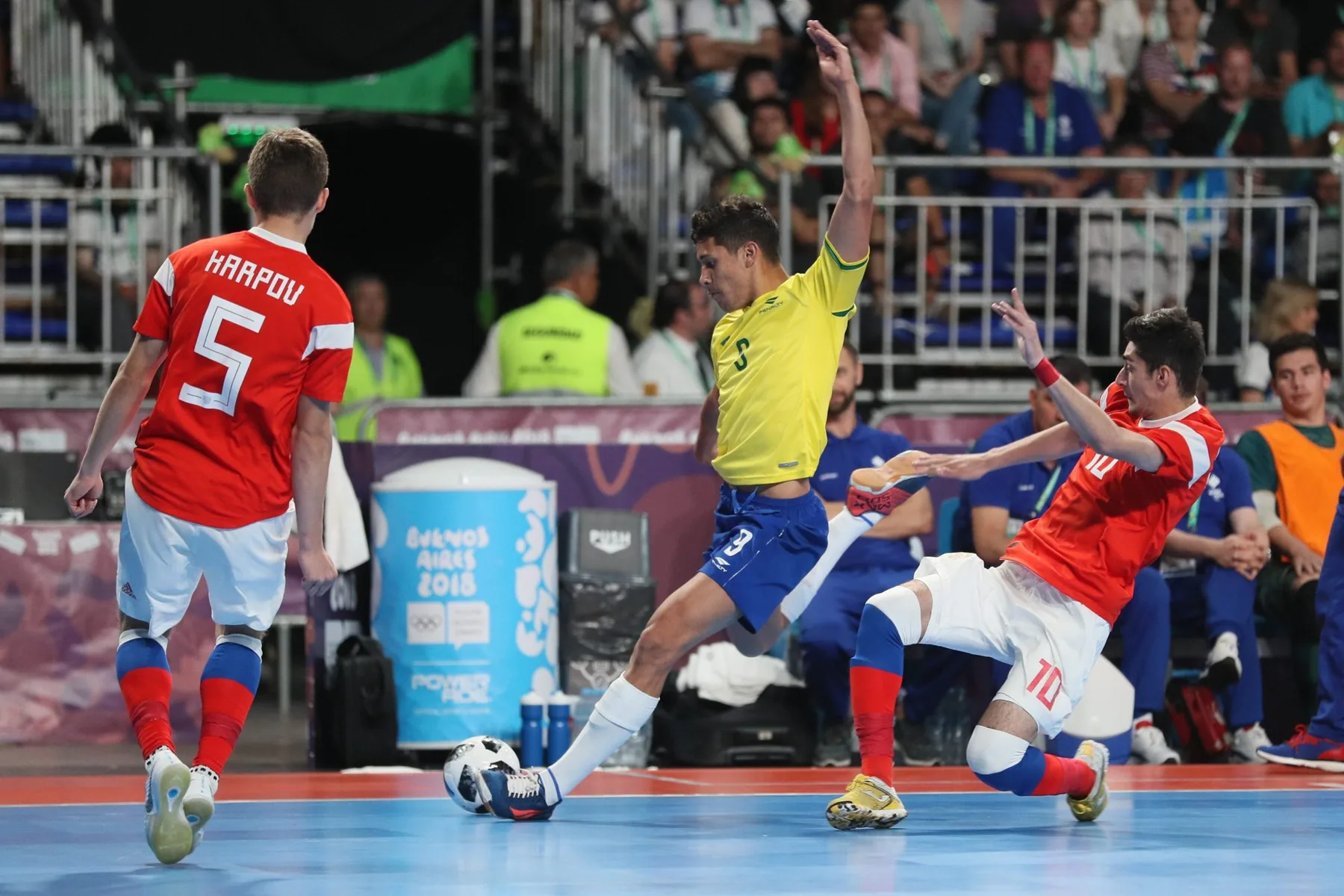
Boys' futsal final at the Youth Olympic Games, Buenos Aires 2018
Boys' futsal final at the Youth Olympic Games, Buenos Aires 2018.Photo: Sandro Halank, CC BY-SA 4.0, Wikimedia Commons

In 2020 UEFA asked top players what futsal gave them. Cristiano Ronaldo said that without futsal he would not be the player he is. Lionel Messi played futsal as a boy, on the streets and for his club. Brazil's Bebeto said that in Brazil they always start with futsal before going on to the pitch. Xavi added a scouting point, that in futsal you notice the small details in quality and tactical understanding.

Futsal helps a lot because you need to think quickly. It's a more dynamic game and today in Europe, there's not much space so you need to think quicker.

Neymar

Lesson. Futsal is a training tool for 11v11. A small space with a fast ball trains the decisions your principles ask for.

Discussion. How many minutes a week do your under-12 players spend in a small space with a fast ball?

Sources. UEFA.com, 8 October 2020

4Mohammed VI Academy graduates in Morocco's squad at the 2022 World Cup

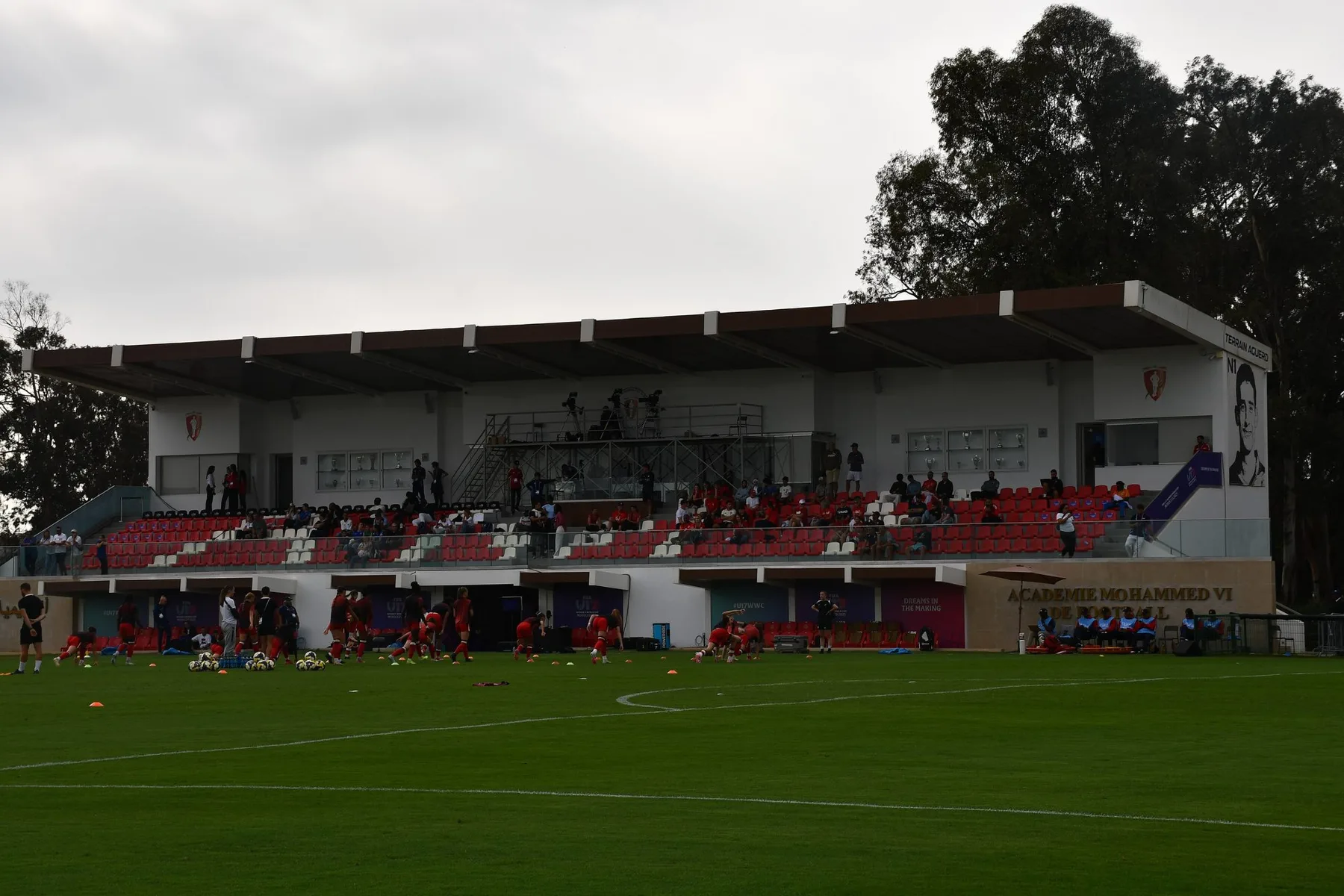
The Aguerd pitch at the Mohammed VI Football Academy in Salé, 2025
The Aguerd pitch at the Mohammed VI Football Academy in Salé, 2025.Photo: Wikimedia Morocco, CC BY-SA 4.0, Wikimedia Commons

Mohammed VI Academy and Nayef Aguerd

Principle. Development plans the whole day, by age

Morocco built the Mohammed VI Football Academy near Rabat in 2010. It takes players aged 12 to 18 from all over the country, with a boarding house, classrooms, a clinic and its own pitches, and training combined with lessons. Nayef Aguerd was one of its first 45 players, picked at 12. The academy moved him from midfield to defence. At the 2022 World Cup Morocco became the first Arab and African team to reach the semi-finals, and four academy graduates were in the squad, Youssef En-Nesyri, Azzedine Ounahi, Nayef Aguerd and Reda Tagnaouti.

Lesson. Development is a whole day, not 90 minutes on a pitch. School, recovery and a change of position can be planned by age, like the training.

Discussion. Which young player in your club would be better in a different position in three years' time?

Sources. Al Jazeera (Reuters), 17 December 2022; The i Paper, 14 December 2022

Worked example, one principle through four ages

Moment, the transition after losing the ball. Principle, we win it back close to where we lost it.

AgeGame format in practiceTypical practiceWhat the coach looks for
U95v5Small game. The player who loses the ball chases it at once.Does the child react straight away, or stop?
U138v8After a loss the two nearest players press. A regain within six seconds earns a bonus point.Do the two nearest players go together?
U169v9 plus two neutral players, two thirds of the pitchA regain in the opponent's half within five seconds counts as a goal.Short distances, and cover behind the first presser.
U1911v11 phase of playCounter-press on a trigger such as a back pass or a heavy touch. If the ball is not won, drop into defensive organisation.Does the group decide together when to stop pressing?

A teaching example written for this course. Your grid starts from your own principle.

Worked example, a youth week with three practices and a match

DayEmphasisPracticePrinciple trained
MD+2Tension, small spaces4v4 plus goalkeepers on a short pitch, short bouts with full restAfter losing the ball, win it back close to where we lost it
MD-3Duration, bigger spaces9v9 on a large area, longer boutsIn attacking organisation, play forward through the lines
MD-1Speed and activationShort reaction games, set pieces, low volumeAfter winning the ball, the first pass goes forward when it is on

A teaching example. The day labels count from match day (MD). Each practice names the principle it trains.

Clips

What is tactical periodisation?Tifo FootballWhere tactical periodisation comes from and why the model leads the week.

More to watch

A tactical periodisation training weekPerformance in FootballPrinciple, sub-principle and sub-sub-principle, then the practices of a full week with sizes and durations.
La Masia, the history of Barcelona's academyTifo FootballOne playing idea for every Barcelona age group, and Guardiola's B team.

Homework

One principle through four ages, and one training week

Work on it alone, or together with colleagues from your club. Fill in the templates on this site, or print the PDFs.

If you have time

  • Weekly Training Log
  • Player Assessment Matrix

A short reflection to close Day 2.

Which exercise in your week does not trace back to a principle, and what replaces it?

Tomorrow, Thursday 17 December 2026

Day 3. People and pathway

Do our selection, our staff and our pathway serve the model?

Open Day 3